
The Ultimate Guide to Rare Vinegars and Gourmet Oils
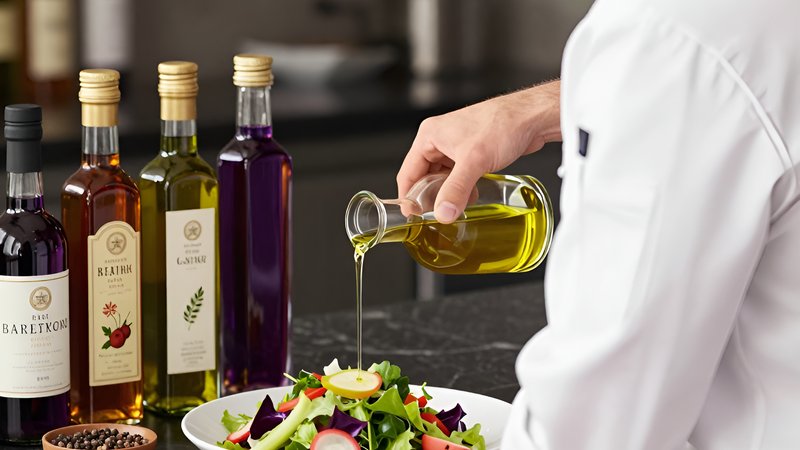
In the realm of high-end cooking, the final touch—the drizzle of oil or a splash of vinegar—is often what separates a home-cooked meal from a professional culinary creation. By 2026, the demand for 'liquid gold' has peaked, with consumers seeking out oils and vinegars that possess a distinct terroir and a traceable lineage. Russell's Store specializes in these finishing touches, offering a curated library of lipids and acids that can elevate any dish from mundane to magnificent.
The Science of Extra Virgin Olive Oil
Not all olive oils are created equal, and the 'Extra Virgin' label is merely the starting point. The true luxury lies in the harvest date and the pressing method. Cold-pressed oils, extracted at temperatures below 27 degrees Celsius, preserve the delicate polyphenols and antioxidants that provide both health benefits and the characteristic peppery finish. A fresh harvest from early November often tastes greener and more vibrant than an older bottle.
When selecting an oil, consider the variety of the olive. The Arbequina olive produces a buttery, mild oil perfect for delicate fish, while the Picual variety offers a robust, pungent flavor that can stand up to hearty grilled meats or strong cheeses. Understanding these nuances allows the cook to use oil as a seasoning agent rather than just a cooking medium, adding layers of flavor that are felt on the back of the palate.
Exploring the Depth of Aged Balsamics
Aceto Balsamico Tradizionale
Aged for 25+ years in a series of wooden casks for a syrupy, complex finish.
White Balsamic of Modena
A crisp, clean acidity that adds brightness without darkening the color of the food.
Raspberry-Infused Glaze
A modern gourmet twist combining tart berries with a rich balsamic reduction.
True Traditional Balsamic Vinegar (Tradizionale) is a far cry from the supermarket variety. It is produced from nothing but grape must and aged for decades in a sequence of casks made from different woods—oak, cherry, chestnut, and mulberry. This process concentrates the sugars and develops a complex acidity that is sweet, tart, and deeply savory all at once, resulting in a thick syrup that is used in drops rather than pours.
For those seeking a more versatile option, white balsamic provides the same sophisticated acidity but without the dark pigment. This makes it indispensable for seafood carpaccio or fresh summer salads where visual purity is key. The balance of sweetness and sharpness in a high-end balsamic acts as a foil to rich fats, creating a tension on the tongue that makes each bite feel dynamic and refreshed.
Beyond the Olive: Exotic Gourmet Oils
While olive oil is the king, the 2026 gourmet pantry explores a wider array of luxury lipids. Walnut oil, for instance, offers a toasted, nutty aroma that is perfect for cold dressings, while avocado oil provides a high smoke point and a neutral flavor for searing luxury proteins. The trend is moving toward cold-pressed seed oils that retain their natural vitamins and a purity of flavor that refined oils lack.
- White Truffle Oil infused with real Tuber Magnatum
- Toasted Sesame Oil from organic Japanese black sesame
- Pumpkin Seed Oil from the Styria region of Austria
- Infused Chili Oil with organic Sichuan peppercorns
- Pure Argan Oil for culinary use from Morocco
Infused oils are another cornerstone of the urban gourmet experience. The key is to ensure the infusion is done with real ingredients rather than synthetic aromas. A high-quality truffle oil should smell like the earth, not a laboratory. By layering these exotic oils, a cook can introduce global flavor profiles—from the nuttiness of Austria to the heat of China—without needing a full pantry of spices, simplifying the process of luxury cooking.
Mastering the Art of the Finishing Drizzle
Chef's Secret: Never heat your most expensive finishing oils; apply them raw at the very end to preserve the volatile aromatic compounds.
The 'finishing drizzle' is a technique used to add a final layer of aroma and gloss to a plate. For a soup or a puree, a few drops of a vibrant green olive oil can create a stunning visual contrast while adding a fresh, grassy note. The goal is to create a sensory bridge between the cooked elements of the dish and the fresh air, waking up the taste buds just before the first bite.
Experimenting with the ratio of oil to vinegar can create a custom emulsion that defines a signature dish. A 3:1 ratio of oil to acid is the classic standard, but for a more aggressive, modern profile, a 2:1 ratio can be used to highlight the sharpness of a rare vinegar. This precision in measurement reflects the professional standards of the world's finest urban gourmet pantry, turning a simple kitchen into a laboratory of flavor.
