
2026 Trends in High-End Urban Pantry Shopping
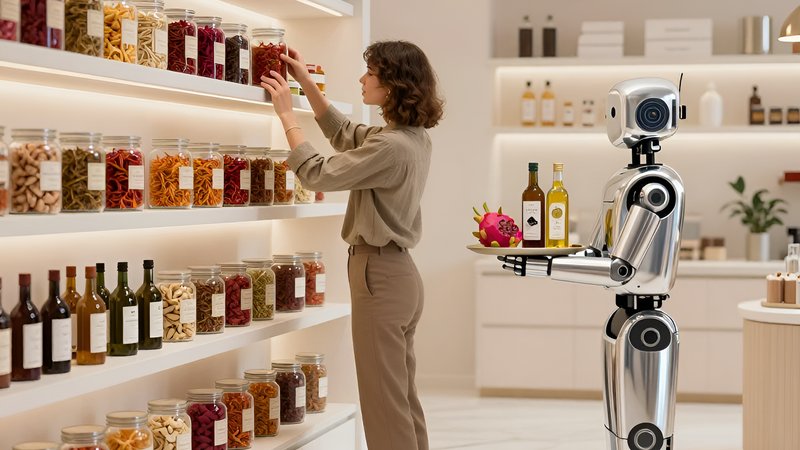
The landscape of luxury convenience has shifted dramatically by 2026, moving away from mere accessibility toward a curated, boutique experience. Today's urban gourmet shopper isn't just looking for a quick snack; they are seeking a curated discovery of global flavors delivered with speed and precision. Russell's Store stands at the intersection of this evolution, blending the immediacy of a neighborhood store with the exacting standards of a Michelin-starred larder to serve the most discerning city residents.
The Rise of Hyper-Regional Sourcing
We are seeing a move away from broad country-of-origin labels toward hyper-regional specificity. It is no longer enough for a product to be 'Italian'; the 2026 consumer wants a drizzle of olive oil from a single specific grove in the hills of Tuscany. This level of transparency allows the shopper to connect with the land and the producer, turning a simple purchase into an educational journey through global geography and agricultural tradition.
This trend extends to the dairy and meat sections, where single-herd cheeses and pasture-specific proteins are dominating the shelves. By focusing on micro-terroirs, luxury stores can offer flavors that are truly unique and impossible to replicate in mass production. This exclusivity drives the demand for limited-edition drops, where a specific vintage of balsamic vinegar or a seasonal truffle harvest becomes a highly anticipated event for the local gourmet community.
Integrating Wellness into Gourmet Luxury
Adaptogenic Elixirs
High-potency botanical drinks that blend luxury taste with cognitive enhancement properties.
Ancient Grain Crisps
Sustainably sourced amaranth and quinoa crackers with organic cold-pressed oils.
Koji-Fermented Snacks
Probiotic-rich savory treats that utilize traditional Japanese fermentation techniques.
Luxury is being redefined to include longevity and holistic health without sacrificing the indulgence of gourmet flavors. We are seeing a surge in 'functional luxury,' where ingredients like manuka honey, saffron, and sea moss are integrated into high-end desserts and savory snacks. The goal is to provide an experience that feels decadent while actively contributing to the consumer's well-being, bridging the gap between the pharmacy and the patisserie.
This shift has led to the creation of specialized 'wellness corners' within the urban pantry. Here, shoppers find organic, cold-pressed juices infused with rare minerals and sugar-free chocolates sweetened with monk fruit and rare botanical extracts. The sophistication lies in the flavor profile; these items don't taste like 'health food,' but rather like high-art culinary creations that happen to be beneficial for the body, satisfying both the ego and the anatomy.
The Evolution of the 'Ready-to-Eat' Segment
The convenience aspect of the gourmet store has evolved into a 'chef-prepared' model. Instead of pre-packaged salads, the 2026 urban pantry offers chilled, vacuum-sealed sous-vide proteins and complex grain bowls that require only a quick sear or heat. This allows the busy professional to enjoy a restaurant-quality meal in minutes, utilizing the high-end infrastructure of a gourmet store to bypass the time-consuming prep work of a home kitchen.
- Truffle-infused quinoa with roasted heirloom carrots
- Wagyu beef sliders with caramelized shallot jam
- Lobster rolls with lemon-chive aioli on brioche
- Burrata bowls with sun-dried tomatoes and pesto
- Saffron-infused risotto with wild forest mushrooms
Packaging has also become a statement of luxury, moving toward biodegradable materials that mimic the feel of leather or heavy cardstock. The aesthetic is minimalist and clean, emphasizing the quality of the ingredients inside. This ensures that the transition from the store shelf to the dinner table is seamless, maintaining the prestige of the meal even when it is consumed in a fast-paced corporate environment or a high-rise apartment.
Tech-Enhanced Personalization in Shopping
Trend Alert: AI-driven flavor pairing suggestions are now integrated into luxury shopping apps to help customers match wines with obscure cheeses.
Personalization is the new gold standard for the luxury convenience experience. Using data from previous purchases, stores can now suggest a specific vintage of Champagne that complements the exact variety of caviar a customer typically enjoys. This creates a bespoke shopping experience where the store acts as a digital sommelier, guiding the customer toward discoveries they would have otherwise missed, thereby increasing the emotional value of the transaction.
Beyond the digital interface, the physical store layout is becoming more dynamic. Interactive displays that tell the story of the producer via augmented reality are becoming common, allowing the shopper to see the vineyard in France or the creamery in Vermont while standing in the middle of the city. This immersive storytelling transforms the act of shopping into a form of entertainment, cementing the store's status as a cultural hub for the epicurean elite.
