
The 2026 Guide to Curating a Luxury Home Charcuterie
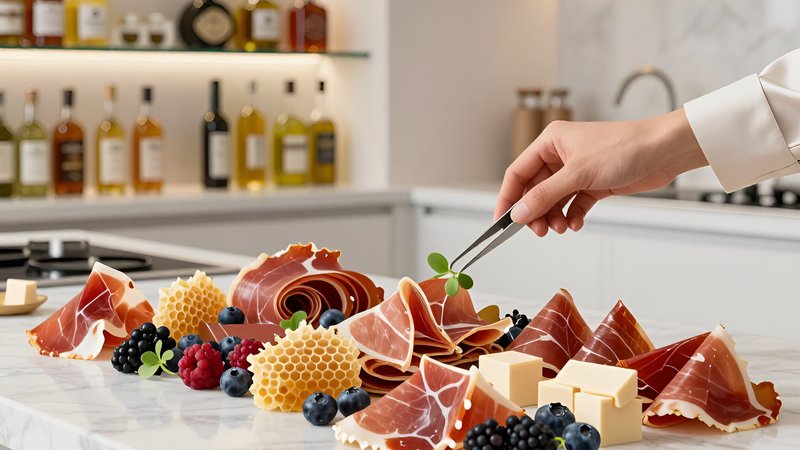
Elevating a simple evening snack into a curated gastronomic experience requires more than just a wooden board and some sliced meat. In 2026, the art of the home charcuterie has evolved into a precise science of flavor balancing and visual architecture. At Russell's Store, we believe that the finest urban gourmet pantry should provide the building blocks for a masterpiece, focusing on artisanal textures and rare regional imports that challenge the palate while remaining accessible for the modern city dweller.
Selecting Rare Artisanal Cheeses
Start your board with a trio of contrasting textures to engage the senses immediately. We recommend the 24-month aged Manchego from the La Mancha region, paired with a creamy, ash-ripened goat cheese from the Loire Valley. The saltiness of the cured sheep's milk provides a sturdy foundation, while the tang of the chèvre adds a bright, acidic lift that prevents the palate from becoming fatigued during the tasting process.
To add a layer of complexity, introduce a bold, vein-heavy Roquefort or a contemporary truffle-infused Brie. The key is to let these cheeses reach room temperature for at least 45 minutes before serving; this unlocks the volatile aromatic compounds that are often locked away in cold fats. When you slice into a perfectly tempered wedge, the flavor profile expands from a simple salty note to a symphony of nutty, earthy, and floral undertones.
The Architecture of Premium Cured Meats
Jamón Ibérico de Bellota
The gold standard of pork, acorn-fed and aged for 36 months for a buttery finish.
Bresaola della Valtellina
Air-dried lean beef from the Italian Alps, offering a deep, savory umami punch.
Wild Boar Salami
A rustic, gamey alternative to traditional pork salami with cracked black peppercorns.
Avoid the mistake of overcrowding your meats; instead, fold them into ribbons or rosettes to create height and visual interest. Start with the delicate translucency of Prosciutto di Parma, then move toward the denser, more aggressive flavors of a spicy Soppressata. By arranging the meats in a gradient of intensity, you guide your guests through a logical flavor progression that mirrors a professional tasting menu found in the finest European delis.
Balance is achieved by pairing these rich fats with sharp acidity. A small dollop of cornichons or a handful of pickled mustard seeds acts as a palate cleanser between slices of fatty salami. This contrast is essential in 2026 gourmet trends, where the goal is to create a rhythmic oscillation between salt, fat, and acid, ensuring that every single bite feels as fresh and exciting as the very first one.
Accoutrements and Sweet Contrasts
The difference between a basic platter and a luxury spread lies in the accompanying condiments. Move beyond standard grapes and try fresh mission figs, honeycomb shards, or marinated apricots. These elements introduce a natural sweetness that cuts through the richness of the aged cheeses. A small bowl of Marcona almonds toasted in sea salt and rosemary provides a necessary crunch that breaks up the softness of the cured proteins.
- Organic wildflower honey from the Pyrenees
- Small-batch fig jam with a hint of port wine
- Hand-harvested Maldon sea salt flakes
- Dried Persian apricots soaked in orange liqueur
- Fresh pomegranate seeds for a tart pop
Consider the role of the cracker or bread as the canvas for your ingredients. A sourdough baguette toasted with cultured butter is a classic, but for a truly modern touch, try charcoal crackers or seed-heavy crisps. The neutral flavor of a high-quality cracker ensures that the nuances of a $100-per-pound cheese aren't overshadowed, allowing the terroir of the milk and the skill of the affineur to remain the focal point.
Final Plating and Presentation Logic
Pro Tip: Always place your strongest smelling cheese at the opposite end of the board from your most delicate meat to avoid flavor contamination.
Visual flow is the final step in creating a professional-grade board. Use organic shapes rather than rigid lines, allowing the ingredients to spill naturally across the surface. Fill every single gap with small clusters of berries or sprigs of fresh thyme to create a lush, abundant look. This sense of generosity is a hallmark of the luxury gourmet experience, suggesting a feast that is both opulent and thoughtfully curated for the guests.
Finally, consider the temperature of your serving vessel. A chilled marble slab is ideal for soft cheeses and seafood-based charcuterie, while a warm slate or wooden board is better for aged meats and hard cheeses. By controlling the thermal environment of your food, you ensure that the fats remain at the optimal consistency, providing a luxurious mouthfeel that defines the high-end urban pantry experience in the current culinary landscape.
